Uganda stands as Africa’s largest coffee exporter, with the sector contributing over 20% of the country’s export earnings, according to the Food and Agriculture Organization (FAO, 2023). The cocoa industry, though smaller, is gaining momentum due to global demand for ethically sourced products. However, these vital sectors face mounting pressures from climate change, deforestation, and unsustainable practices. Sustainable farming has emerged as a critical strategy to ensure long-term viability, enhancing productivity, farmer livelihoods, and environmental health. This article delves into the key sustainable practices adopted in Uganda’s coffee and cocoa sectors, drawing from ongoing projects, research, and industry trends as of 2026.
Sustainable farming in these contexts emphasizes climate-smart agriculture (CSA), which integrates adaptation, mitigation, and productivity. Practices like agroforestry, organic farming, and low-carbon techniques are not only environmentally beneficial but also economically rewarding, with organic products fetching premiums of up to 30% higher than conventional ones. In Uganda, initiatives supported by organizations such as Rikolto, the European Union, and local bodies like the Uganda Coffee Development Authority (UCDA) are driving this shift.
Environmental Challenges in Uganda’s Coffee and Cocoa Sectors
Uganda’s agricultural landscape is under threat. Between 1990 and 2005, the country lost 26% of its forest cover, largely due to unsustainable farming, charcoal production, and expansion of cash crops like coffee and cocoa. The National Environment Management Authority (NEMA) warned in 2008 that continued trends could lead to complete forest depletion by 2050. This degradation affects soil fertility, biodiversity, and water resources, which are essential for coffee and cocoa—crops that thrive in shaded, humid environments.
Climate change exacerbates these issues, bringing erratic rainfall, prolonged droughts, higher temperatures, and increased pest incidences. Smallholder farmers, who produce over 80% of Uganda’s coffee and 90% of its cocoa, are particularly vulnerable. In regions like Luweero and Sironko districts, where Robusta coffee dominates, yields have declined due to soil erosion and nutrient depletion from chemical overuse. For cocoa, expansion in districts like Kumuli has raised concerns about disease burdens and ecological imbalance.
These challenges have prompted a pivot toward sustainability, aligning with global regulations like the European Union’s Deforestation Regulation (EUDR), which requires deforestation-free supply chains for exports. Ugandan producers must adopt traceable, eco-friendly methods to maintain access to key markets.
Key Sustainable Farming Practices
Agroforestry Systems
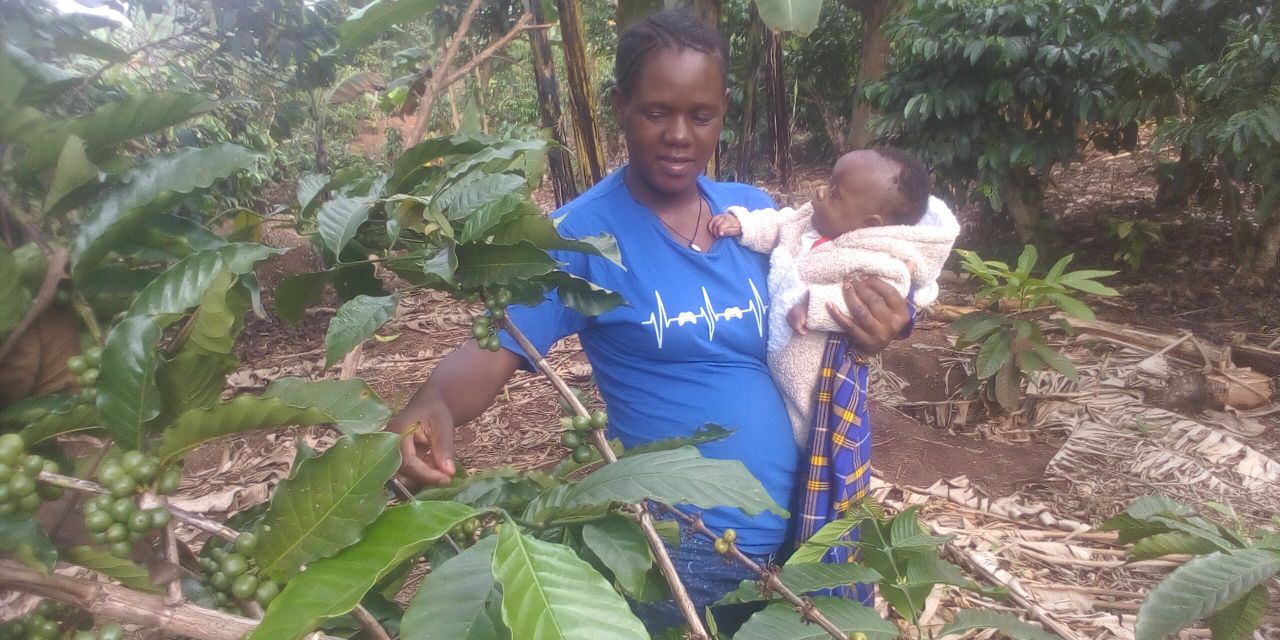
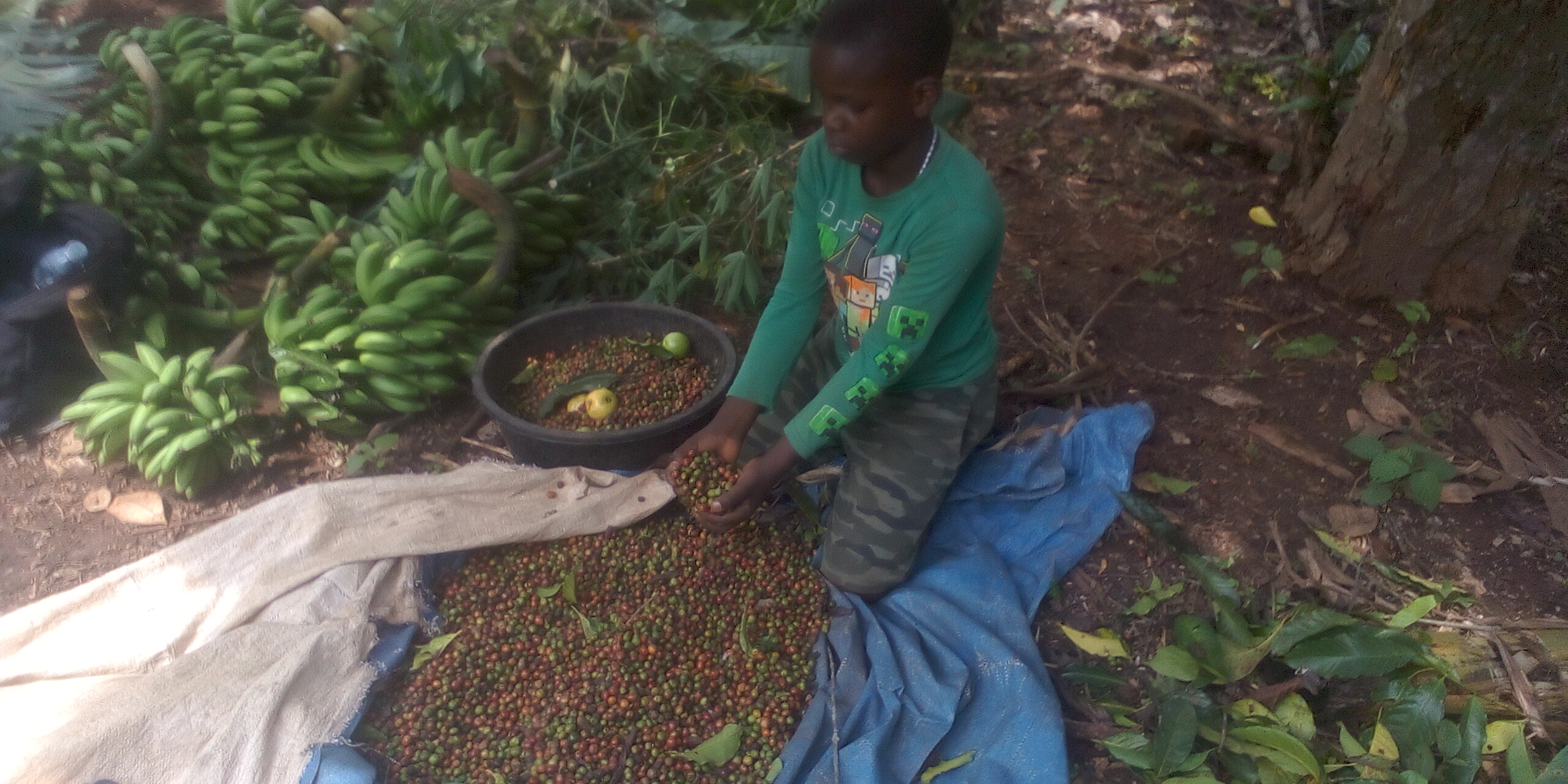
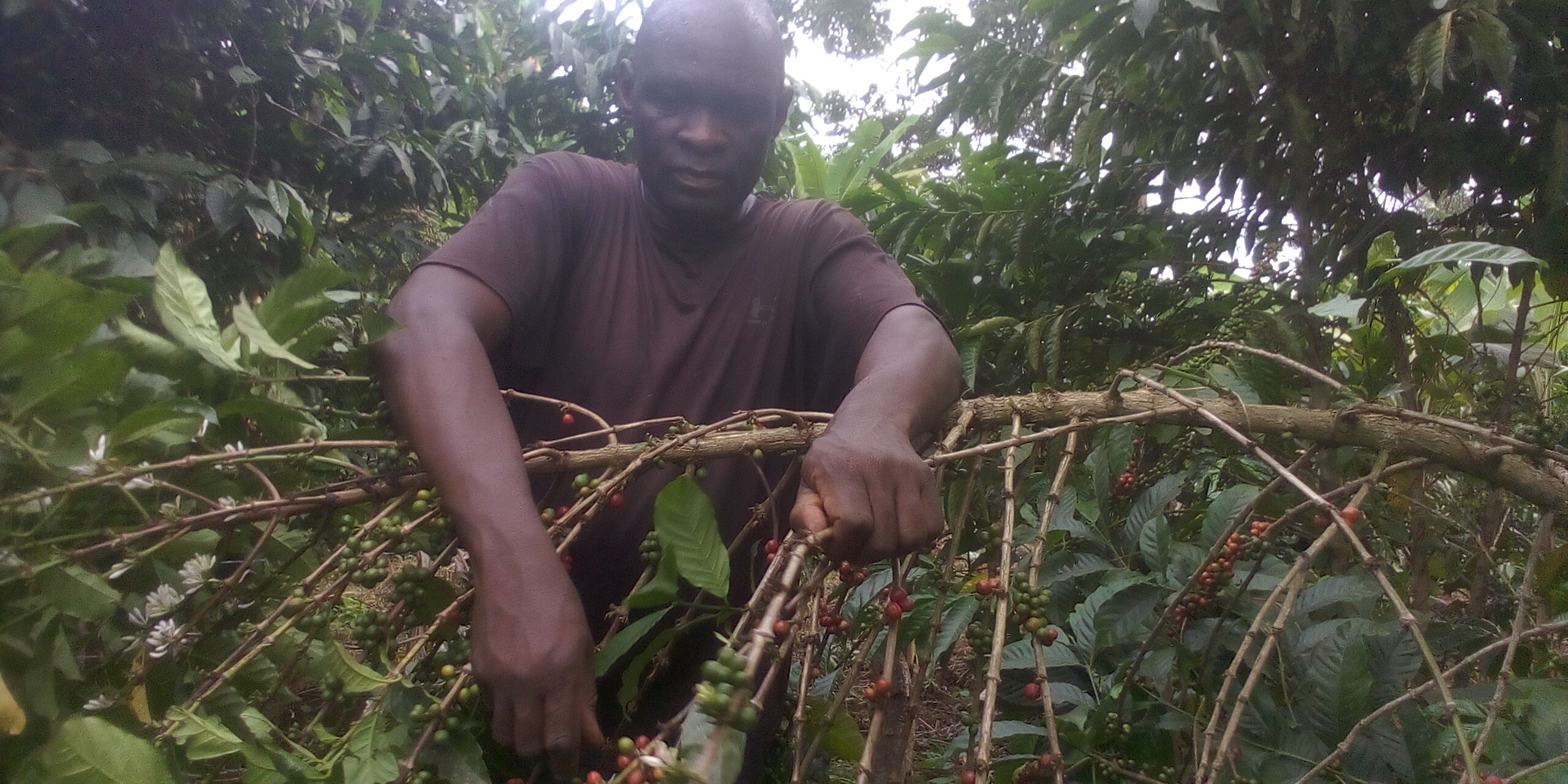
Agroforestry is a cornerstone of sustainability in Uganda’s coffee and cocoa farms. This practice involves integrating shade trees (e.g., banana, avocado, or indigenous species) with crops, mimicking natural ecosystems. It provides multiple benefits: shade regulates temperatures, reduces evaporation, and protects against extreme weather; tree roots prevent soil erosion; and fallen leaves act as natural mulch, enriching soil organic matter.
In coffee production, agroforestry has been promoted through projects like Solidaridad’s Climate Heroes, which targets 25,000 farmers across Uganda, Kenya, and other countries. Farmers plant trees alongside coffee bushes, generating carbon credits sellable via platforms like ACORN. For cocoa, similar systems in western Uganda enhance biodiversity and resilience. Research shows agroforestry can increase yields by 20-30% while sequestering carbon, mitigating climate impacts.
Organic and Regenerative Farming
Organic farming eschews synthetic pesticides and fertilizers, relying instead on natural inputs. In Uganda, this includes composting cocoa pods with worms to create bio-fertilizers, as seen in cooperative models. The Futureproof Coffee Uganda project trains youth and women in producing organic compost, herbicides, and pesticides, distributing them to over 950 farmers in cooperatives like Kitenga and Kanseera.
Regenerative practices focus on soil rehabilitation. Techniques such as mulching, intercropping (e.g., coffee with legumes for nitrogen fixation), and cover cropping restore degraded soils. In the Change Brewing project (2023-2024), farmers adopted biodigesters to convert waste into bio-slurry and biochar, enhancing soil fertility and reducing greenhouse gas emissions. These methods align with non-GMO standards and promote health benefits, as organic products are rich in antioxidants.
Climate-Smart Agricultural Practices (CSA)
CSA integrates good agricultural practices (GAPs) with climate adaptation. The International Institute of Tropical Agriculture (IITA) tested a “Stepwise” approach in Luweero and Sironko, breaking GAPs into phased investments: starting with basic weeding and mulching, progressing to pruning, fertilizer application, and pest control. This incremental model makes adoption feasible for smallholders, who often face financial barriers.
For cocoa, the EU-funded CoCoDev project developed production and nursery manuals, training farmers in agronomy and sustainable management across nearly 4,000 acres. Pest management uses integrated approaches, like biopesticides, to combat diseases without chemicals.
Certification and Traceability
Certifications like Fairtrade, Rainforest Alliance, and organic standards incentivize sustainable practices. Kyagalanyi Coffee Ltd., a Volcafé subsidiary, has trained over 1.5 million smallholders in UTZ/Rainforest Alliance methods since 2018, boosting yields through agronomist support. Traceability systems, as in the SAFE Uganda project, use digital tools to map farms and verify compliance, essential for EUDR.
Case Studies and Projects
The Change Brewing project by Rikolto reached 2,000 farmers, combining shade management, intercropping, and low-carbon tools like biochar. Farmers like Steven reported improved soil fertility and yields.
In the Futureproof project, focus on regenerative farming empowered women and youth, establishing enterprises for organic inputs. Similarly, Iowa State University’s research in Kumuli links sustainable cocoa farming to public health, addressing disease burdens through eco-friendly practices.
A study on cocoa farmers in Uganda and Ecuador highlighted value chain factors influencing practice adoption, such as training and market incentives. These initiatives demonstrate that collaborative efforts between governments, NGOs, and private sectors are key to scaling sustainability.
Benefits and Impacts
Economically, sustainable practices lead to higher incomes. Organic coffee and cocoa command premiums, with exports benefiting from specialty markets. Socially, they empower communities, especially women and youth, through training and diversification (e.g., beekeeping). Environmentally, they reduce deforestation, enhance biodiversity, and mitigate emissions.
In 2024, Uganda’s coffee exports hit a 30-year high, partly due to sustainable Robusta varieties’ resilience. However, challenges like initial costs and knowledge gaps persist, addressed through grants and capacity building.
Future Outlook
As global trends favor ethical sourcing, Uganda’s sectors are poised for growth. Compliance with EUDR will require investments in traceability and sustainable infrastructure. Emerging technologies, like digital mapping and carbon markets, offer new revenue streams. With projects like Rikolto’s global programs, the focus on professionalization and diversification will ensure resilience.
Conclusion
Sustainable farming practices are transforming Uganda’s coffee and cocoa sectors from vulnerable to vibrant. By embracing agroforestry, organic methods, and CSA, farmers are not only safeguarding the environment but also securing prosperous futures. Stakeholders must continue investing in education, finance, and partnerships to scale these efforts. As consumers demand sustainability, Uganda’s “from soil to cup” approach positions it as a global leader in ethical agriculture.